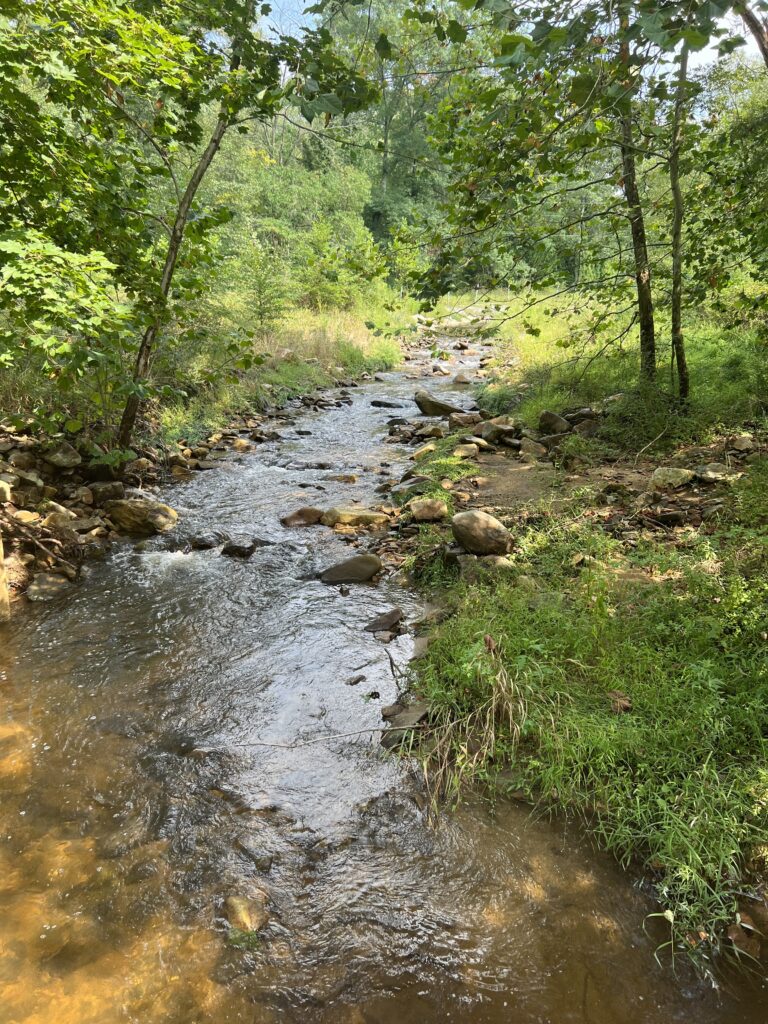
Schuylkill River Restoration Fund Awards Nearly $655,000 for Watershed Projects
NEW TRIPOLI, PA (September 9, 2026) — Eight projects that will restore streams, reduce agricultural runoff, control stormwater, and protect drinking water throughout the Schuylkill River Watershed will receive nearly $655,000 through the 2026 Schuylkill River Restoration Fund grants.
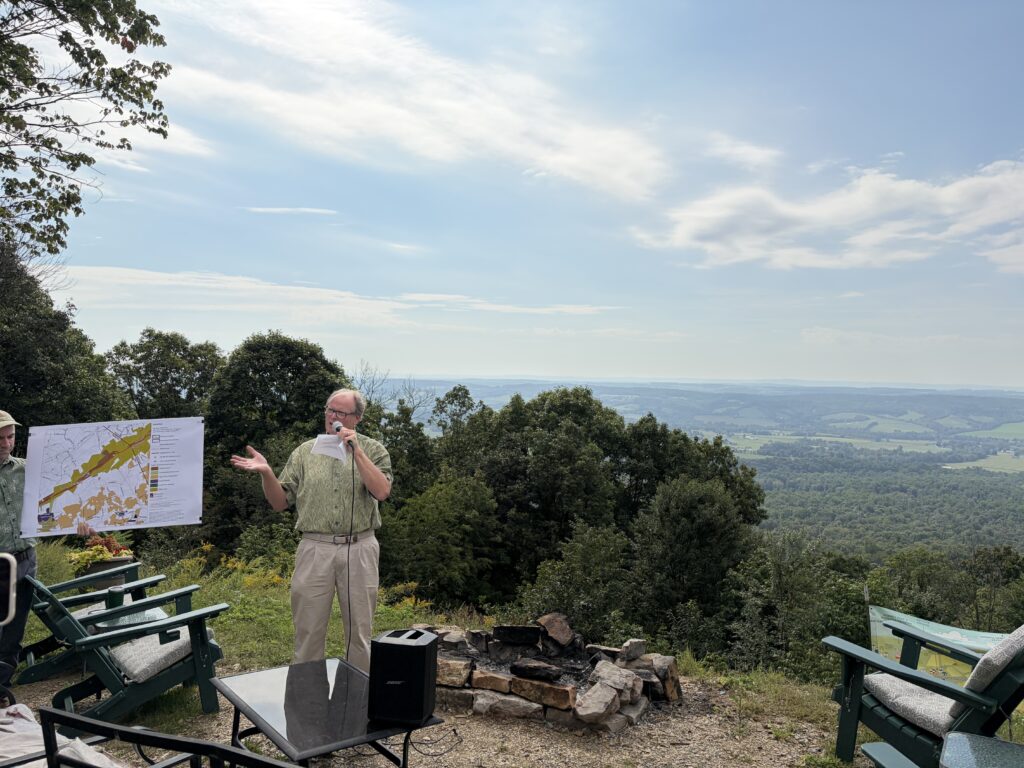
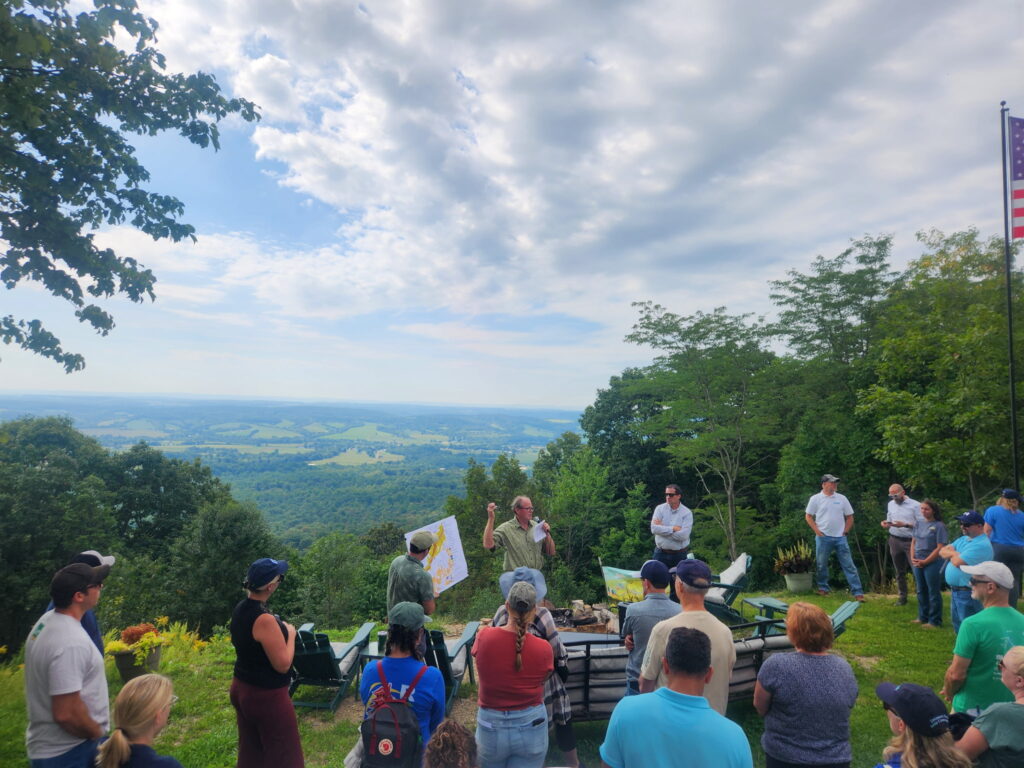
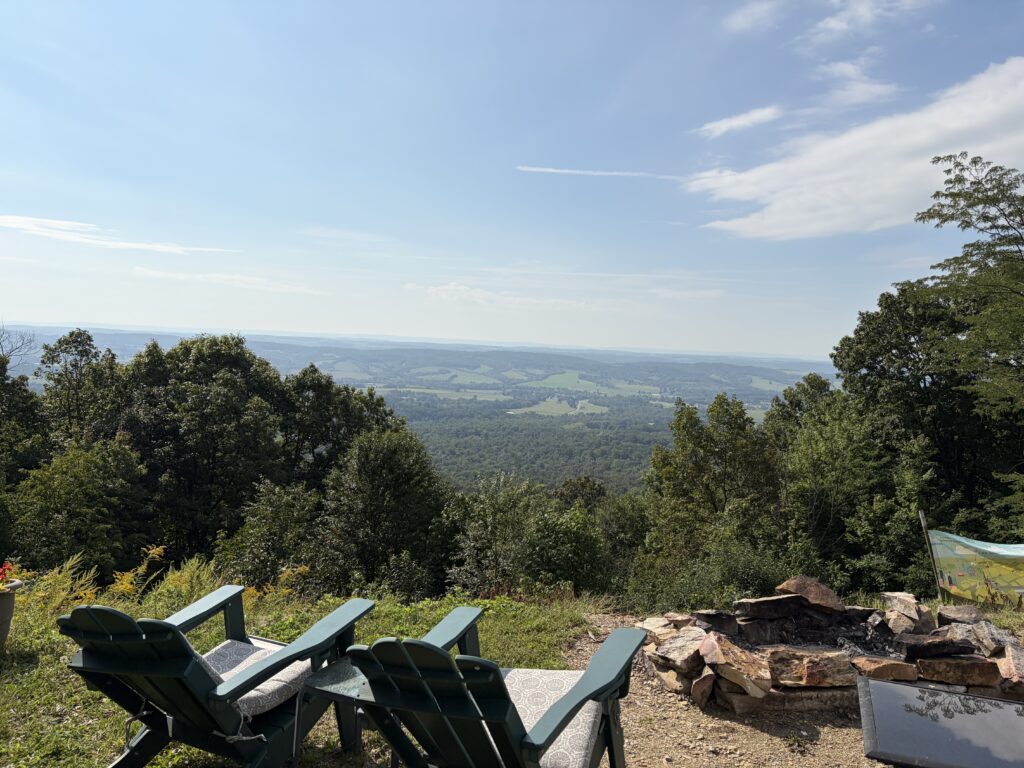
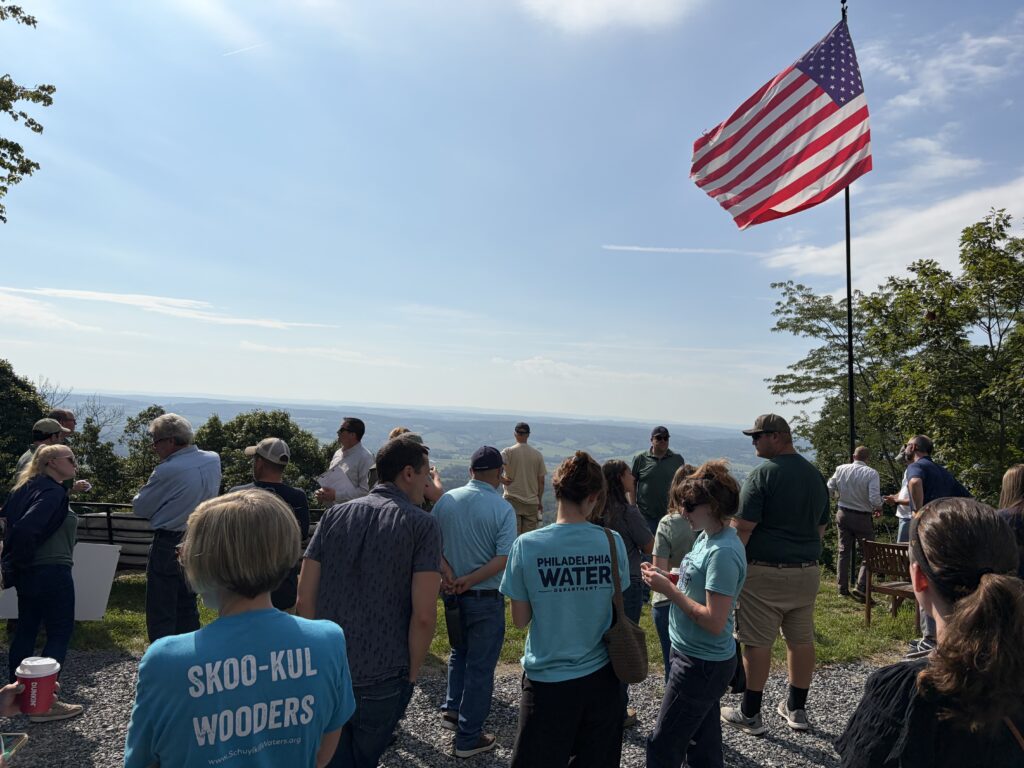
Schuylkill River Greenways announced the $653,402 in grants after a tour of two previously funded restoration projects in Lehigh County. About 40 representatives of funding organizations, grant recipients, and local governments participated in the tour and awards program at Ontelaunee Park.
The Schuylkill River Restoration Fund is one of the region’s most significant sources of sustained funding for projects that directly improve water quality. Since 2006, it has distributed more than $6 million for 127 projects and helped leverage another $15 million in investments to protect and restore the Schuylkill River and its tributaries.
“These grants put resources on the ground where they can make a measurable difference,” said Tim Fenchel, Deputy Director of Schuylkill River Greenways. “A healthier Schuylkill River starts with healthier streams, farms, and landscapes throughout the watershed. What makes this fund so valuable is that we work with local partners who know these places and help them solve real water-quality problems, whether that means keeping runoff out of a stream, restoring an eroded streambank, or planting a buffer that will protect the water for decades.”
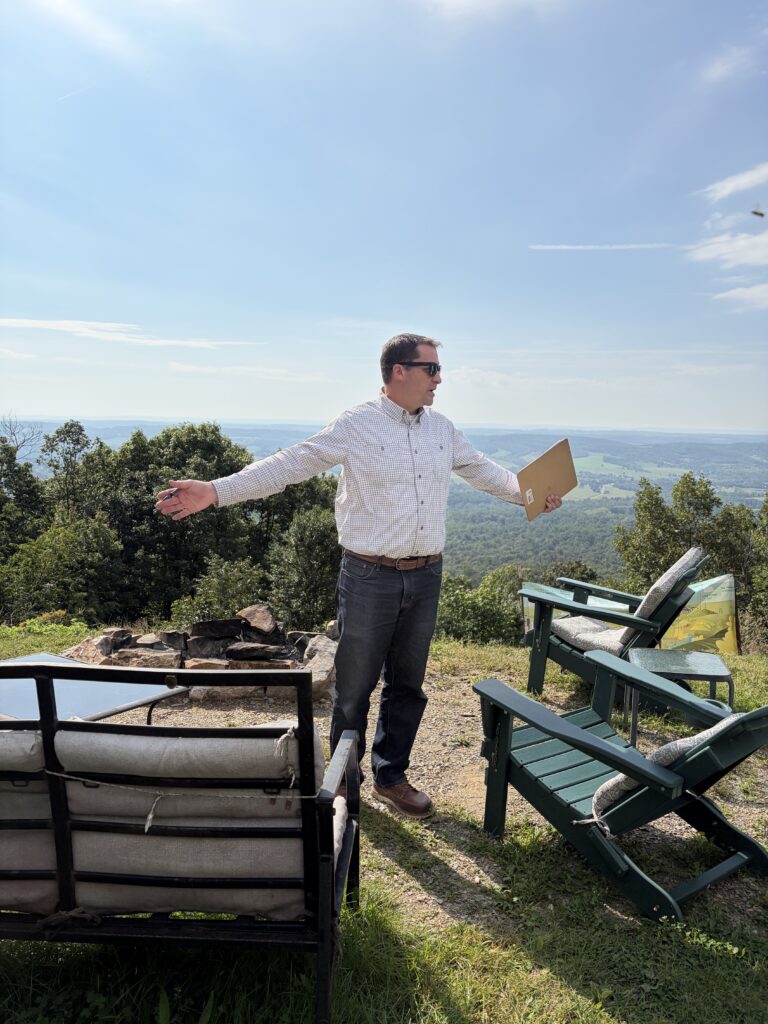
Before the awards were announced, participants visited the Breinig Property, where Natural Lands hosted a tour, and Last Chance Angus Farm, where the farm owners and Lehigh County Conservation District discussed restoration work. The visits gave participants an opportunity to see how grant dollars translate into improvements on the ground.
The eight projects receiving 2026 funding are:
- Berks Nature — MIL JOY Farm, 324 Virginville Road, Perry Township, Berks County: $99,800: New covered manure storage and livestock areas and additional stormwater controls at a beef farm in the Lake Ontelaunee source-water area will help prevent sediment and nutrients from reaching Maiden Creek and downstream waterways.
- Berks Nature — Seven Riparian Restoration Projects, Berks County: $91,076: Seven projects will restore nearly 6,000 feet of streamside habitat across the Hay, Maiden, Willow, Saucony and Tulpehocken creek watersheds. More than 1,700 native trees and shrubs will be planted across nearly 10 acres to reduce runoff, stabilize streambanks, and improve water quality.
- French & Pickering Creeks Conservation Trust — South Branch French Creek, Chester County: $86,900: Approximately 4,500 feet of stream corridor will be restored and 246 acres of surrounding permanently protected habitat will be improved along the South Branch French Creek, an Exceptional Value waterway. The project will stabilize eroding banks, improve aquatic habitat, and establish native vegetation along the stream.
- Friends of the Wissahickon — Pachella Gully Phase 2, Philadelphia: $100,000: The project will restore a severely eroding 500-foot gully in Wissahickon Valley Park, using stormwater controls and a forested infiltration area to reduce sediment and phosphorus entering Wissahickon Creek, an important source of Philadelphia drinking water.
- Lebanon County Conservation District — Wenger Farm, 215 S. Race St., Jackson Township, Lebanon County: $100,000: A covered livestock area and new plantings will help keep sediment and nutrients from farm operations out of Tulpehocken Creek.
- Perkiomen Valley Trout Unlimited — Longacre to Barto, Montgomery County: $65,000: A 1,100-foot section of the West Branch Perkiomen Creek will be restored through streambank stabilization, erosion reduction, and improvements to fish and aquatic habitat.
- Riverbend Environmental Education Center — Saw Mill Creek, Montgomery County: $10,626: Riverbend will restore more than 17,000 square feet of streamside habitat along Saw Mill Creek, including planting about 185 native trees and shrubs, removing invasive species and debris, controlling erosion, and creating an outdoor education space.
- Schuylkill County Conservation District — Stoudt Farm, 356 Sculps Hill Road, West Brunswick Township, Schuylkill County: $100,000: New covered livestock and manure-storage facilities, fencing, and livestock watering systems will allow cattle to be removed from overgrazed pasture and eliminate the need for them to enter the stream for water, reducing sediment and nutrient pollution.
The projects illustrate the Restoration Fund’s watershed-wide approach to water quality. Pollution entering a small tributary miles from the Schuylkill eventually becomes part of the larger river system. Restoring streambanks, improving agricultural practices, planting streamside buffers, and managing stormwater upstream produce benefits far beyond an individual project site.
Those benefits extend to communities throughout southeastern Pennsylvania. The Schuylkill River and its tributaries provide drinking water for millions of people while supporting wildlife, agriculture, recreation, and local economies.
Created in 2006 through a public-private partnership, the Schuylkill River Restoration Fund pools resources from organizations with a shared interest in protecting the watershed and directs them to high-priority restoration projects. The fund’s partners are Pennsylvania American Water; Aqua, an Essential Utilities Company; Delaware River Basin Commission; Schuylkill Action Network; Philadelphia Water Department; Constellation; Environmental Protection Agency Region III; PA Department of Environmental Protection; Partnership for the Delaware Estuary; and Schuylkill River Greenways.
Schuylkill River Greenways administers the fund and works with partners throughout the watershed to identify and support projects capable of producing meaningful, lasting improvements to water quality.
The 2026 Tour
A tour of the Schuylkill River Watershed on Wednesday put faces, farms, and facts behind the work supported by the Schuylkill River Restoration Fund, which announced nearly $655,000 in grants after the tour.
At Last Chance Angus Farm in Lehigh County, first-generation farmers Matt and Jenny Henderson told about 40 supporters of the work how they came to own the farm and why its name has a very literal meaning.
The Hendersons had been renting a farm but wanted an opportunity to build something of their own. Matt grew up in Bernville, was involved in 4-H as a student, and showed steers as a child. He gradually began buying cattle of his own. Jenny is originally from Ashland. Both still work full-time jobs in addition to operating the farm.
After years of renting land, they purchased their 11-acre property just as the COVID-19 pandemic was beginning, signing the paperwork the night before Pennsylvania shut down. They now also rent about 100 acres to grow feed for their cattle.
“This was our last chance to own a farm,” Matt told the group, explaining that their previous situation offered little opportunity to expand. If they hadn’t signed the papers when they did, their chance to become farm owners would have disappeared.
Jenny further explained the farm’s name.
“Everyone thinks it’s the cows, but it’s actually us,” she said. “It was our last chance.”
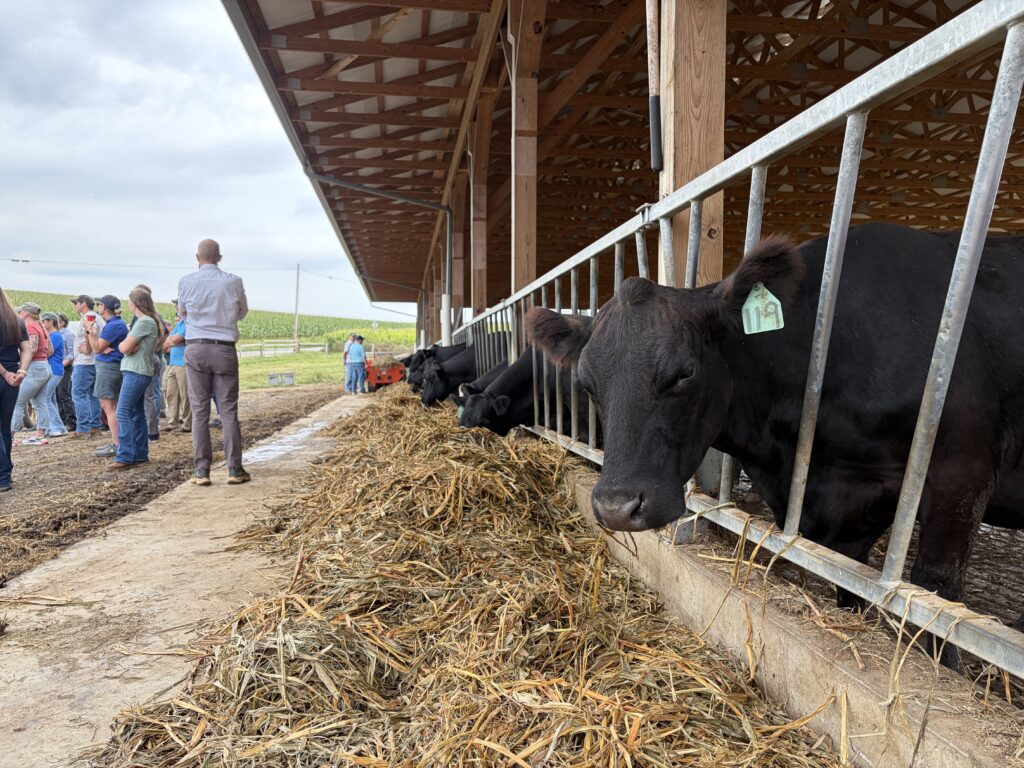
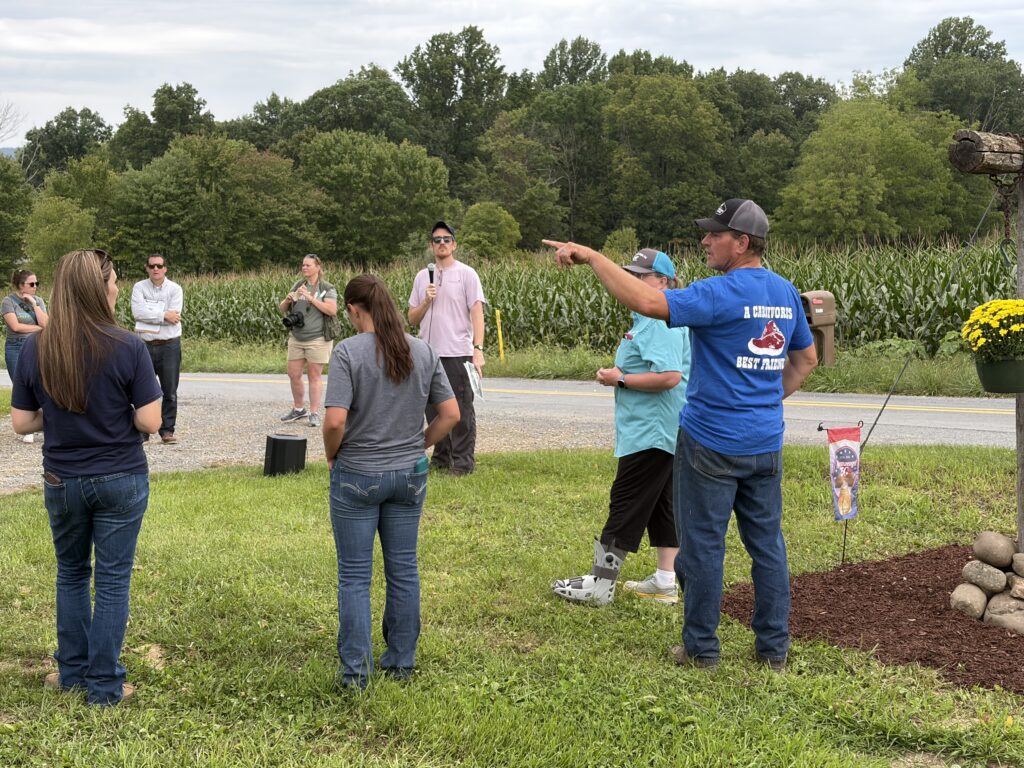
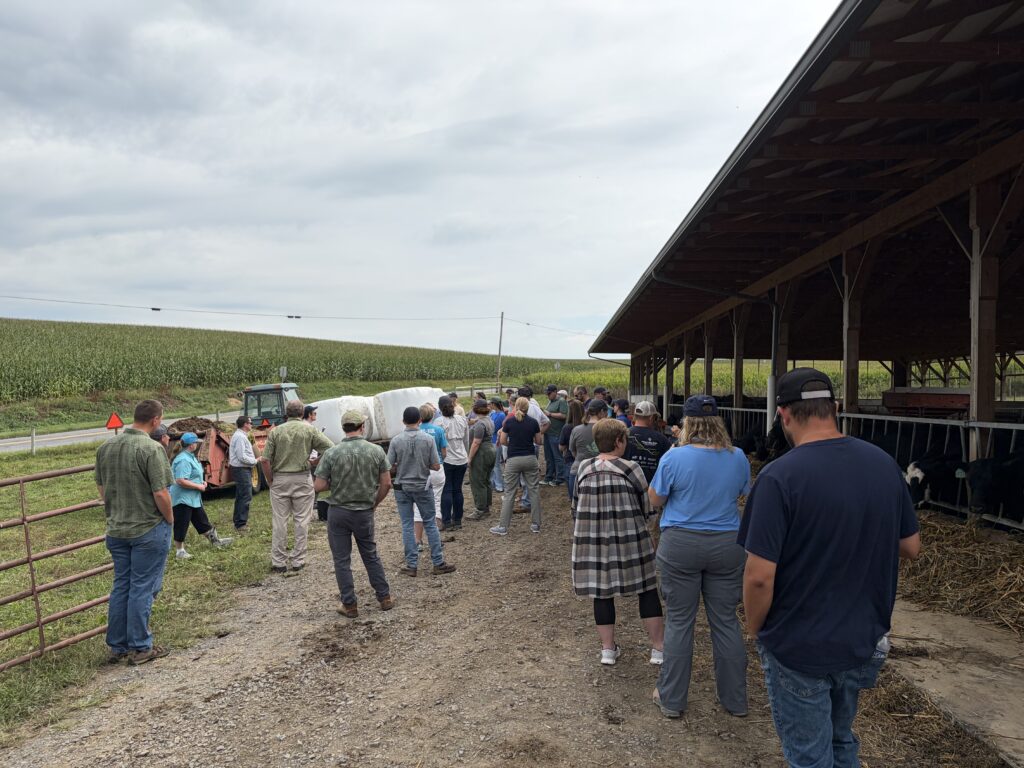
The farm is also an example of how work on a relatively small property can affect water quality far beyond the farm itself. Runoff from the property can reach Ontelaunee Creek and eventually become part of the larger Schuylkill River system.
The restoration fund helped them put cattle, and the related waste, under a roof that cuts down on sediments and nutrients entering a nearby stream.
Kelly Anderson, Director of the Office of Watersheds for the Philadelphia Water Department, spoke directly to the Hendersons and other tour participants about why that connection matters to people far downstream.
“It means a lot for us to come out here and see the work,” Anderson said, emphasizing the importance of Philadelphia Water Department representatives continuing to visit and fund projects throughout the watershed.
That upstream-downstream connection was also highlighted later during the lunch and grant awards presentation.
Ben Jewell, Philadelphia Water Department Commissioner, reflected on having participated in the Schuylkill River Sojourn – an annual 112-mile kayak trip from Schuylkill Haven to Philadelphia and run by Schuylkill River Greenways – and then traveling upstream to see restoration projects firsthand.
“Having gone on the Schuylkill River Sojourn and then coming up here today, I feel like I’ve seen the whole picture,” Jewell said.
He noted that most Philadelphia residents do not have the same opportunity to travel through the watershed and experience firsthand the connection between the places upstream and the water that ultimately reaches their city.
The tour also visited the Breinig Property, where Natural Lands discussed the preservation of seven acres. The property is part of a much larger legacy for Jack Stefferud, Senior Advisor for Land Protection at Natural Lands, who is retiring after 38 years. During Stefferud’s tenure, 9,401 acres have been preserved.
Together, the stops illustrated the idea behind the Schuylkill River Restoration Fund: protecting the river is not one project in one place. It happens acre by acre, farm by farm and stream by stream throughout the watershed — and the benefits flow downstream.
About Schuylkill River Greenways
Schuylkill River Greenways National Heritage Area promotes stewardship and economic growth by championing and protecting the abundant natural, cultural, historic, and recreational resources in the Heritage Area with a focus on connecting all communities to the Schuylkill River and Schuylkill River Trail.